
Let This Be Your Reminder Not to Give Up on Your Dreams
A story about uncertainty, creation, and trusting that what’s meant for you won’t miss you

This article is part of the free tier of Cast Forward — created to help actors build smarter, more sustainable careers. My paid subscribers get full deep-dive articles (every other Saturday), career strategies, and occasional casting notices. If you’re looking for more in-depth insights, personalized strategies, and industry tips, consider joining us!
Some of you may have already seen the Deadline announcement—I’ve joined the new Netflix series The Body as a recurring character. But before I get into that, I want to tell you something important: don’t give up on your dreams.
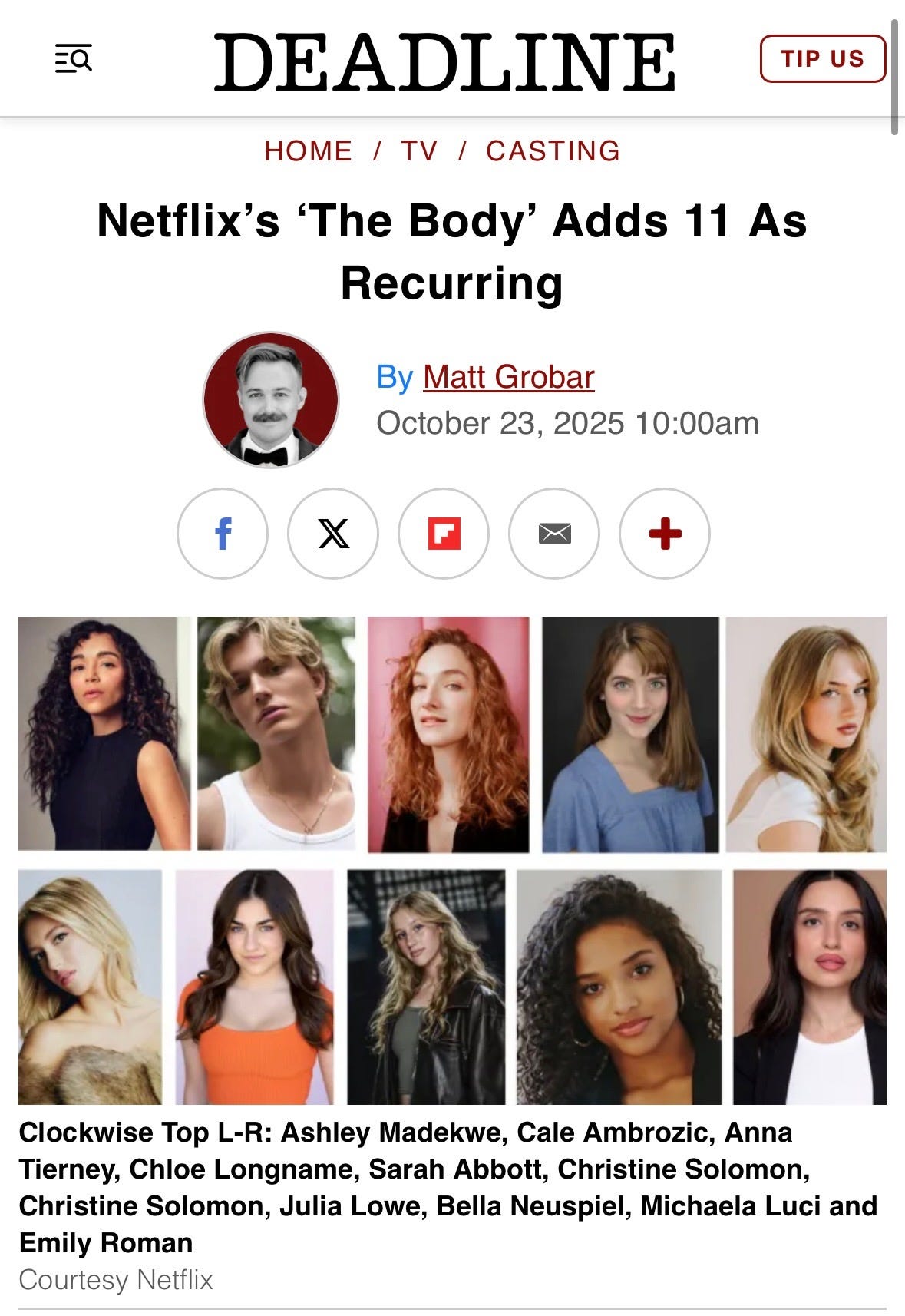
If you’re in a moment where everything feels blocked—where no matter how hard you try, doors just don’t open—let this be a reminder. I’ve been there too. Too many times. Let me take you back to a moment when everything came to a standstill.
When Everything Stopped
During the pandemic, everything came to a halt. Productions shut down, acting schools closed, and the city that once buzzed with opportunity went quiet. Most of my Canadian friends packed up and left Los Angeles. Many of them had green cards, but they told me, “It’s not worth it anymore. Go back to Canada. LA’s too expensive with no work.”
I understood their logic. But something in me refused to give up. I said no. I stayed—after everything it took to earn my green card and build a life here.
People close to me know this about me: I don’t believe in giving up. I look for strategies and focus on solutions, not obstacles. I also believe in divine timing and trust that God will lead me in the right direction.
That didn’t mean doors suddenly opened. It meant I stayed in motion when almost everything else stopped.
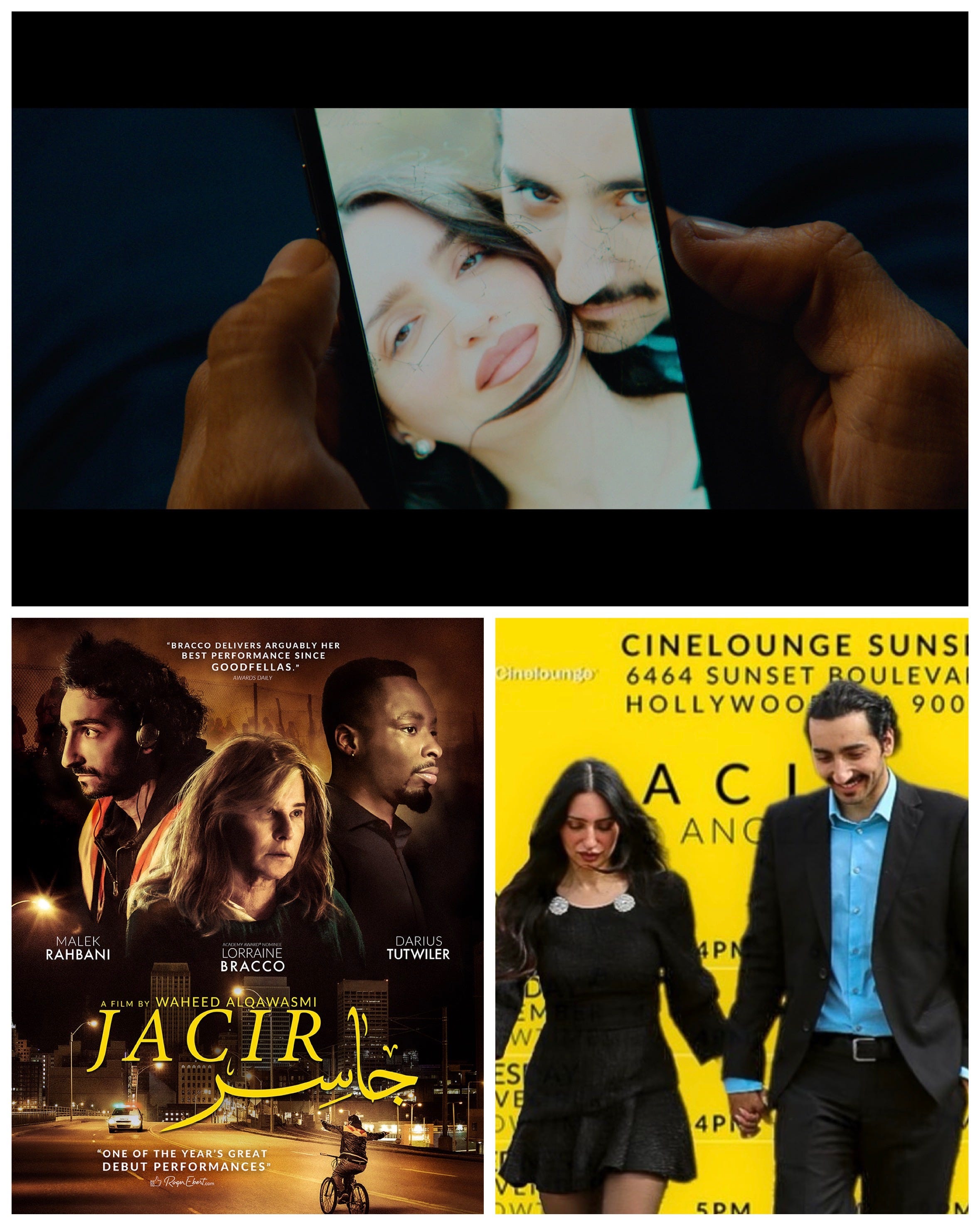
And during one of the hardest times in our industry—when auditions were scarce and the world was upside down—I booked a movie with Lorraine Bracco, right in the middle of the pandemic. When everyone thought Hollywood was frozen, I found a way to keep moving.
When You Have Nothing—Create Something
Around that same time, my agents in Montreal and Toronto both left agenting. I was heartbroken. It felt like the whole world was shifting overnight—people changing careers, leaving jobs, trying to figure out what to do next.
I suddenly had no representation in Canada. Both of my agents were well-established, top-tier professionals. Losing them felt like losing stability in an already unstable time.
But I told myself, When the right time comes, I’ll find new representation.
Since I already had representation in the U.S. and wasn’t planning on visiting or working in Canada anytime soon, I decided not to rush the process. I focused on staying creative and trusting that everything was unfolding in divine timing.
The Actors’ Fund stepped in. The government offered support. People helped where they could, and there was generosity everywhere.
But assistance doesn’t replace direction.
After losing both agents, instead of panicking, I asked myself, What can I create?
That’s when I wrote my first children’s book, Odd Ed.
Not because I knew anything about the world of publishing—I didn’t—but because I took a risk, studied it, and created a strategic plan for myself. I treated it like a new challenge, a new skill, a new deal.
There’s freedom in trying—without expectation and without the pressure to be perfect.
There’s something powerful about coming into a business without the fear, the pressure, the weight of “how hard it is.”
You make things. You fail. You learn. You try again.
And that’s the mindset I want to pass on here. I want to teach you how to make things happen for yourself—by thinking strategically, not reactively. I don’t want you to fixate on how hard something is. What matters is how you choose to see it and how you choose to move. Some people look at a cup and see it half empty. Others see it half full.
And remember this: over time, your crooked efforts start to look like mastery.
The chord you couldn’t play—one day, your fingers just land on it without hesitation.
That’s how careers are made.
The First Door That Didn’t Open
The book didn’t come without challenges.
I ran a full illustrator audition process—researching artists, reaching out directly, assigning a specific scene for them to illustrate, reviewing how they interpreted the character, and narrowing it down carefully until I found the right creative fit. Once I did, the collaboration was long-distance and international, which added time and complexity to the process.
At the same time, I began exploring traditional publishing. I reached out to literary agents and publishers, and quickly realized what that route would require: long timelines, waiting periods, and a loss of momentum. I didn’t want to sit in limbo for years while my project stalled.
So I made a decision.
Instead of waiting for permission, I started my own publishing company and published the book myself. It wasn’t the easier route—it was the more demanding one. I had to oversee every part of the process, from production to distribution to marketing.
And then came the push to place the book.
I worked relentlessly to land book events, especially at the Glendale Galleria Barnes & Noble. I also partnered with my incredible publicist, Lesley Diana, to push further. I wanted that store so badly. It didn’t happen.
I remember looking up and saying, God, I trust the process. I know you have something better for me.
And there were plenty of people telling me to give up—telling me I was up against world-known children’s authors and didn’t stand a chance.
That was one of those moments where you either spiral—or you anchor.
And what came next wasn’t what I was pushing for—it was more aligned than I could’ve ever imagined.
I didn’t get Glendale.
I got The Grove.
The Barnes & Noble flagship store. The one where major celebrities host their book events.
Momentum Builds Quietly
Odd Ed landed in Barnes & Noble, Indigo, Chapters, Book Soup, and more. I sold copies in the U.S., Canada, and Egypt—a reach I’m deeply proud of.
In addition to securing a reading and signing at the Barnes & Noble flagship store in Los Angeles, my story was featured by Lady Gaga’s foundation, Channel Kindness, and received a shoutout from Born This Way.
Media outlets reached out. I was featured on Global TV as part of their community spotlight. Critics wanted to review the book. I ended up doing a mini book tour.
Authors began messaging me, asking how I pulled it off—because they’d been trying for years and couldn’t break through, let alone get stocked at the Barnes & Noble flagship store.
And every time I spoke about the book, I spoke about my bigger dreams.
That part matters.
None of this happened because I waited patiently for things to return to normal.
It happened because when things stopped, I created something instead of freezing.
When you create, you don’t just fill time.
You build momentum.
You signal direction.
You give the world something to respond to.
Too many people wait for permission.
Too many people sit in “not yet” mode, thinking they need more knowledge, more confidence, more certainty.
You don’t.
You need movement.
Creation is movement.
Risk is movement.
Trying something you don’t fully understand is often the thing that advances you.
If you’re stuck right now, don’t ask, “Why isn’t it happening?”
Ask, “What can I create that moves me one step closer?”
That’s how careers move forward.
Not by waiting—but by building.
And that’s why I’ll say it again, clearly:
When nothing is happening, create something.
That’s often the thing that changes everything.
The Power of Divine Timing
A while later, when travel finally opened up again, I bumped into one of my former Canadian agents at the Los Angeles airport. It had been years. I sent her a quick message on Facebook: “I think I just saw you at LAX—should I come say hi?” She replied, “Yes, of course!”
We caught up, talked about everything that had happened, and I mentioned how both of my previous agents had left the industry. She knew them well. I told her I wasn’t in a rush to sign with anyone new.
That’s when she said something that changed everything:
“Why don’t you come back on board? I’d love to have you again.”
I remember thinking, God, I trusted the process. I knew you were guiding me exactly where I needed to be.
Not forced. Not rushed. Just returning when it was meant to.
That’s how I re-signed with Angie. It felt like coming home. We’ve always had an incredible working relationship—supportive, proactive, and built on trust.
Angie was the one who submitted me for The Body on Netflix.
That experience is a reminder of something every actor should know: you must have a healthy relationship with your agent. If you can’t call, text, or meet your agent for coffee without fear, that’s not a partnership. A good agent relationship should feel like teamwork.
I’ve had both kinds of experiences—some agents where it felt like a real collaboration, and others where it felt disconnected. And when that happens, it’s okay to walk away. Because just like everything else in this business, the right fit will always find its way back to you—in divine timing.
When the Industry Shifted Again
At the beginning of 2025, the industry shifted—again. Massive layoffs in Los Angeles. Fewer projects shooting locally. More work moving to Canada and Europe.
Auditions slowed.
Instead of panicking, I made a strategic decision. I’m Canadian—and by then, also a U.S. citizen—so I chose to spend more time there, not leaving LA, but adjusting.
And once again, I created something.
That’s when I launched Cast Forward—a platform where I share my story, my past struggles, and the strategies I’ve used along the way. No gatekeeping. Just honesty.
Cast Forward was an idea I had many years ago, back when I launched my consultancy business, Muze Consultancy. At the time, there was no platform like Substack—no real way to build a subscription-based space to share knowledge at scale. I had always wanted something like that because I knew one-on-one consultancy isn’t accessible to everyone. Just like actors starting out can’t always afford private coaching, many people need guidance in a more accessible format. Cast Forward grew out of that same understanding.
People told me how refreshing it felt. Creating something meaningful kept me moving during another uncertain moment.
Let’s Rewind to Netflix
I’ve wanted to work with Netflix since 2013. I auditioned for them over the years—not constantly, but consistently—and I never let go of that goal.
It took twelve years.
Twelve years of building, auditioning, and continuing, even when nothing seemed to be happening with Netflix. I’m sharing that because I know how easy it is to think that if something hasn’t happened yet, it never will. Sometimes it just hasn’t happened yet.
The next time you even think about giving up on your dreams, let this be your sign. Come back and reread this article.
What people might not expect is that the audition for The Body wasn’t perfect.
I was self-taping late at night after several auditions back-to-back. I mispronounced words. Forgot to change my shirt. I used an AI app as my reader because it was late and I couldn’t find anyone available to read with me. Realized afterward I’d lined my lips and forgotten lipstick. I did three takes and sent the last one.
Even the callback wasn’t perfect. Mid-performance, the Zoom connection briefly froze. When it came back, I flagged it and said, “I think the connection froze.” They agreed, and we simply did it again and moved on.
Before that, I had been sitting in the Zoom waiting room for twelve minutes past my scheduled callback time. Long enough that I emailed my agent to say I was still there and assumed they were running behind. When I was finally let in, everything moved fast. I followed the direction. I stayed present. I did my part. And then it was over—so quickly that when we finished, I remember thinking, “Wow, that was fast.”
I didn’t walk away thinking, “I’ve got this.”
It felt neutral. Professional. Done.
By that point in my career, I had learned to treat auditions exactly as they are: my job. I do the work, I send it, and I move on. I don’t dwell. I don’t replay. I don’t sit in hope or disappointment.
Dwelling doesn’t move you forward.
Momentum does.
The obstacles didn’t stop there.
About a month before everything came together, my Google account was hacked. I lost access to my Google Drive—the one connected to my Actor Operating System (AOS). Years of organized materials were suddenly gone.
A quick reminder: change your passwords regularly. It can happen to anyone.
Most of my backups were on external hard drives in Los Angeles, which I didn’t have access to at the time. That experience reinforced something I already knew and why the AOS is so important: as actors, we need our materials organized and accessible at a moment’s notice. When casting asks for something, there’s rarely time to scramble.
When the decision came down to me and one other actor, casting sent me for approval, and Netflix asked to see my demo reel before making their decision.
Because of the hack, I had limited material available and limited time. I had one hour to put the demo together and send it to my agent. I worked with what I had on my laptop—a scene from the film I booked with Lorraine Bracco, a scene from a television series I had booked, an older demo reel, several self-tapes that had led to callbacks, and self-tapes showcasing the different languages I speak.
I also included three scenes from a dramatic web series I had done due to the limited new footage available on my laptop—projects that aired on YouTube and in vertical-drama formats on social platforms.
In total, I sent four videos.
I could have sent one—but I trusted my instincts. I chose to give them a fuller picture of my range rather than worry about whether it was “too much.”
This is something I want to emphasize: don’t let fear make your decisions for you. If your instincts tell you to show more—and it’s thoughtful and relevant—trust that.
And this is where I want you to pause.
Many actors dismiss web series or vertical dramas, assuming the material isn’t “good enough” or that it will hurt their credibility. In reality, those opportunities are often what train you and prepare you for what’s next—especially when a bigger opportunity comes along.
Smart, serious actors don’t wait for perfect material. They elevate what’s in front of them and use every opportunity to hone their craft.
Remember the Michael Caine video I shared in my last free article on this topic? Go back and watch it.

Those web series and vertical dramas so many actors are afraid of? I used scenes from them in my demo reel—for Netflix. Let that sink in.
And then, on top of all of that, I discovered something else.
My Canadian agent, Angie, submitted me for the audition without having access to my full set of headshots on Actors Access. What I later discovered was that, throughout the entire time I had been with her, she only had access to one newer, unretouched headshot—which my LA agent had specifically recommended I upload untouched—along with two very old headshots from over a decade ago that I had long since removed. How that happened, I still don’t know. I hadn’t realized that was the case until recently.
And that says something important: when you have one truly strong headshot, it can open doors. Quality matters more than quantity.

And yet, none of it stopped what was meant to happen.
That’s the part I want you to remember.
When something is meant for you, it doesn’t pass you by because conditions weren’t perfect. Not because files were missing. Not because materials weren’t ideal. Not because something went wrong along the way.
Believe what you want—call it divine timing, alignment, or simply persistence—but I’ve lived it enough times to trust this:
What’s meant for you will find its way to you.
Earlier that year, I had watched the film Not Okay, directed by the incredibly talented Quinn Shepard, and it truly inspired me. I remember finishing it, looking up, and saying, God, I gotta work with this director. I gotta work with her.
When I later auditioned for The Body, it didn’t register in the moment that it was for that same director. With the volume of auditions coming in, I logged the information in my Actor Operating System as I always do—but the connection didn’t click at the time.
When my agent later told me I had a callback, I genuinely thought it was for a completely different project. I had auditioned for several things around that time, including a holiday movie, and my first thought was that it must be for that.
I actually had to go back into my Actor Operating System, pull up my submission log, and rewatch the self-tape just to remember which project it was. That’s how removed I am from the outcome.
I didn’t connect the dots until later—when I realized I had asked for this collaboration long before I knew it was on its way.
The story of that audition should remind you—and teach you—something I’ve learned over time: perfection isn’t the goal. Being is. Presence is. Listening is. Intention is.
Rejection Isn’t the End
Before The Body, I auditioned for Mayday. I was called back in person to Toronto. The casting associate greeted me with excitement: “The director’s going to be so happy to see you! You were his favorite.”
The audition went beautifully. The director was a joy to work with, and I thought to myself, “I got this”. Shortly after, my agent was asked to confirm my availability for the shoot — a moment that naturally made it feel promising. But on my way home, I got the email: “They went with someone else—you didn’t look the part.”
I looked online into the real person the character was based on, I understood it—I simply didn’t resemble her at all.
And I know what you might be wondering—how does that even happen? How do you get a callback when they already know the look they’re going for, or that the character is based on a real person you don’t physically resemble?
Here’s the reality: it happens all the time in this industry, for many reasons.
Sometimes you deeply resonate with the director. Sometimes your interpretation stands out. Sometimes the director fights for you, even if the network ultimately wants something else. Casting is rarely as straightforward as people assume.
When I reached out to the director afterward—simply to thank him for the opportunity, which is something I always encourage and teach actors to do—his response confirmed it.
I’ll share my message and his response in a future Cast Forward premium article and teach the type of language I used, so you can apply it when reaching out to industry professionals and increase your chances of getting a response.
Sitting at the airport, waiting for my flight back to Montreal, I looked up and said, God, I trust the process. I know you have something better for me.
I didn’t know what “better” meant yet. Only that every time I trusted instead of resisted, something clearer followed.
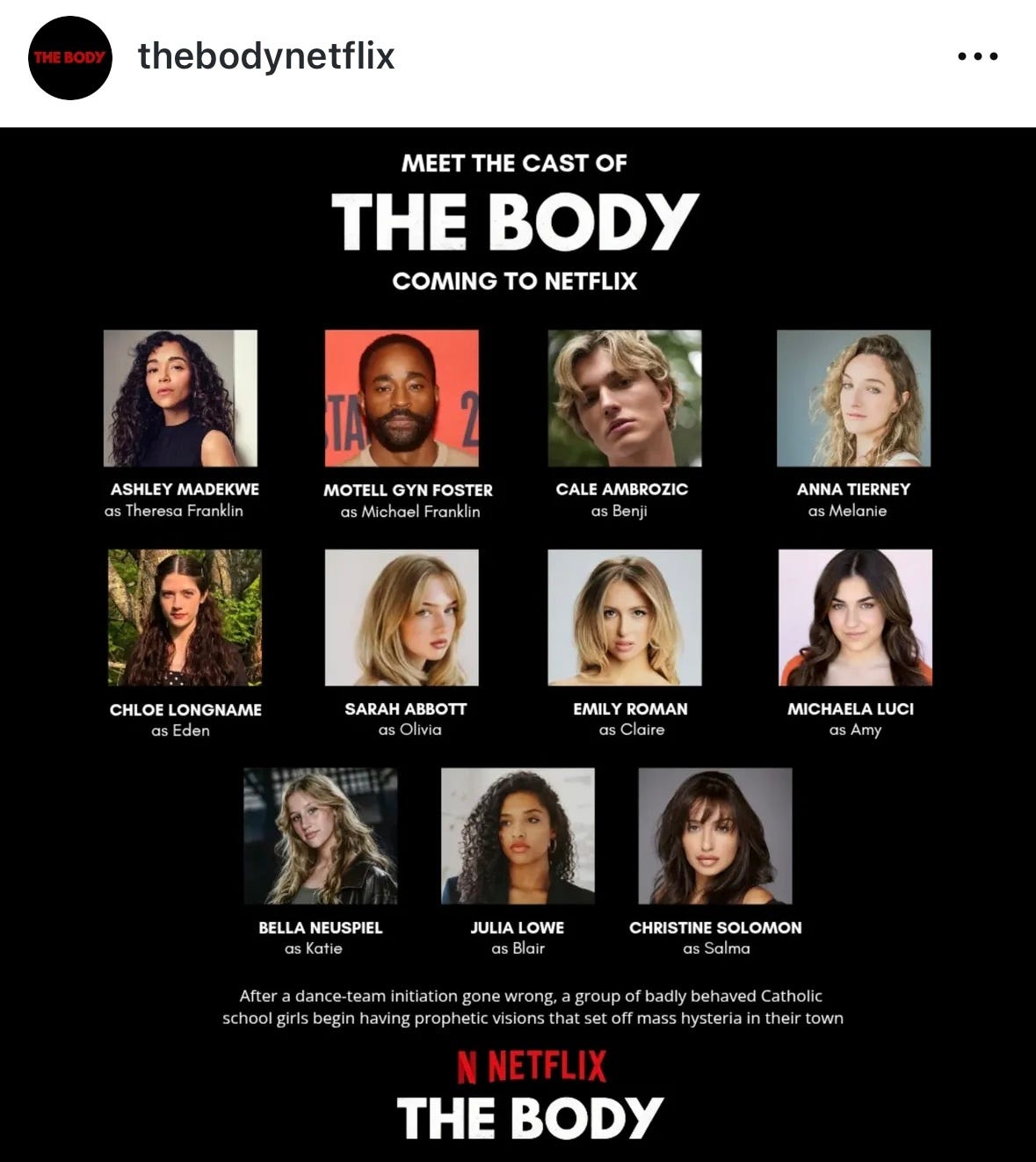
Three months later, in October, I booked my recurring role on The Body.
Divine Timing Is Real
Every time something didn’t work out, something better followed.
The industry shut down. A film with Lorraine Bracco did.
Glendale didn’t happen. The Grove did.
Mayday didn’t happen. The Body did.
Leaving didn’t happen. Becoming a U.S. citizen did. Those agents stepped away. Angie came back.
Through every interview for the book, I spoke about my big dream of working with Netflix, Disney, and Marvel. I used to say, half-jokingly, “Even if I have just one line in a Marvel project, I’ll be happy.”
That momentum mattered.
In 2022, I was hired by Marvel and Disney to do voiceover and ADR work for Moon Knight, contributing to three of the six episodes.
And this year, as you already know, I booked my recurring role on The Body.
Dreams take time. But if you don’t give up, they will catch up to you.
Keep Going, No Matter What
This industry will test you—your patience, your faith, your self-worth. But nothing that’s meant for you will ever be taken away from you.
If you’re tired. Doubting. Wondering whether to stop—don’t.
Keep showing up. Keep creating. Keep making strategic moves, even when they feel small.
Momentum isn’t luck—it’s built through action, adjustment, and the decision to stay in the game.
Because sometimes, the moment you feel like giving up is the moment right before everything changes.
Coming Up Next on Cast Forward
Here’s what’s on the way:
Navigating Industry Etiquette with Confidence
How to Prepare for an Audition—from Start to Finish
A Step-by-Step Guide on How to Find an Agent—when to reach out, and how to submit effectively
How to Shoot Low-Budget Projects and use them to Strengthen your IMDb — including how to add “in development” listings and position your credits to attract agent interest.
Breaking down exactly how to land your first publicist, when you actually need one, and what to do if you can’t afford it yet. I’ll share how I found mine, what to look for, and what I wish I’d known at the start.
How to write a press release—A simple breakdown you can use to build your own.
🔜Coming Up Next For VIPs
The Visa Vault: My Proven Blueprint for Building a Winning O1 or EB1A Package
Breaking Into the U.S. Market as an International Actor
Writing a Cover Letter that gets Attention—subject line strategies
A verified list of casting directors with active casting notices, newsletters, and/or submission forms
Verified industry contact lists. We are starting with:
1. Theatres (open for general auditions)
2. Casting Directors
3. Photographers
4. Demo Reel Editors
5. Headshot Reproduction Labs
How SAG-AFTRA vouchers, ACTRA credits, and other union pathways really work — clearing up the confusion once and for all.
A powerful reminder that persistence, creativity, and trust in timing often matter more than perfection. When you keep moving and creating, opportunities find their way to you