
The Unconventional Books Every Actor Should Consider Reading
Why some of the most valuable acting lessons can be found in books about psychology, human behavior, neuroscience, and the lives of extraordinary artists.

This article is part of the free tier of Cast Forward — created to help actors build smarter, more sustainable careers. My paid subscribers get full deep-dive articles (every other Saturday), career strategies, and occasional casting notices. If you’re looking for more in-depth insights, personalized strategies, and industry tips, consider joining us!
One of the biggest misconceptions actors have is that studying acting means only studying acting.
When actors talk about books, the conversation usually revolves around acting techniques.
And while those books absolutely deserve a place on every actor’s shelf, some of the most valuable lessons I’ve learned about acting have come from books that aren’t acting books at all.
In fact, I would argue that if you’re only reading acting books, you’re missing a significant part of your education as an artist.
Over the years, I’ve found myself drawn to books that explore psychology, neuroscience, philosophy, human behavior, creativity, and even autobiographies. Some of these titles I’ve previously shared on my blog and in my Amazon storefront because they left such a strong impression on me. Recently, I’ve added a few more books to the list, including one I’m currently reading that I find absolutely fascinating.
What connects all of these books is that they help us better understand people.
And at the end of the day, that’s our job as actors.
We study human beings.
Too Soon Old, Too Late Smart
By Dr. Gordon Livingston
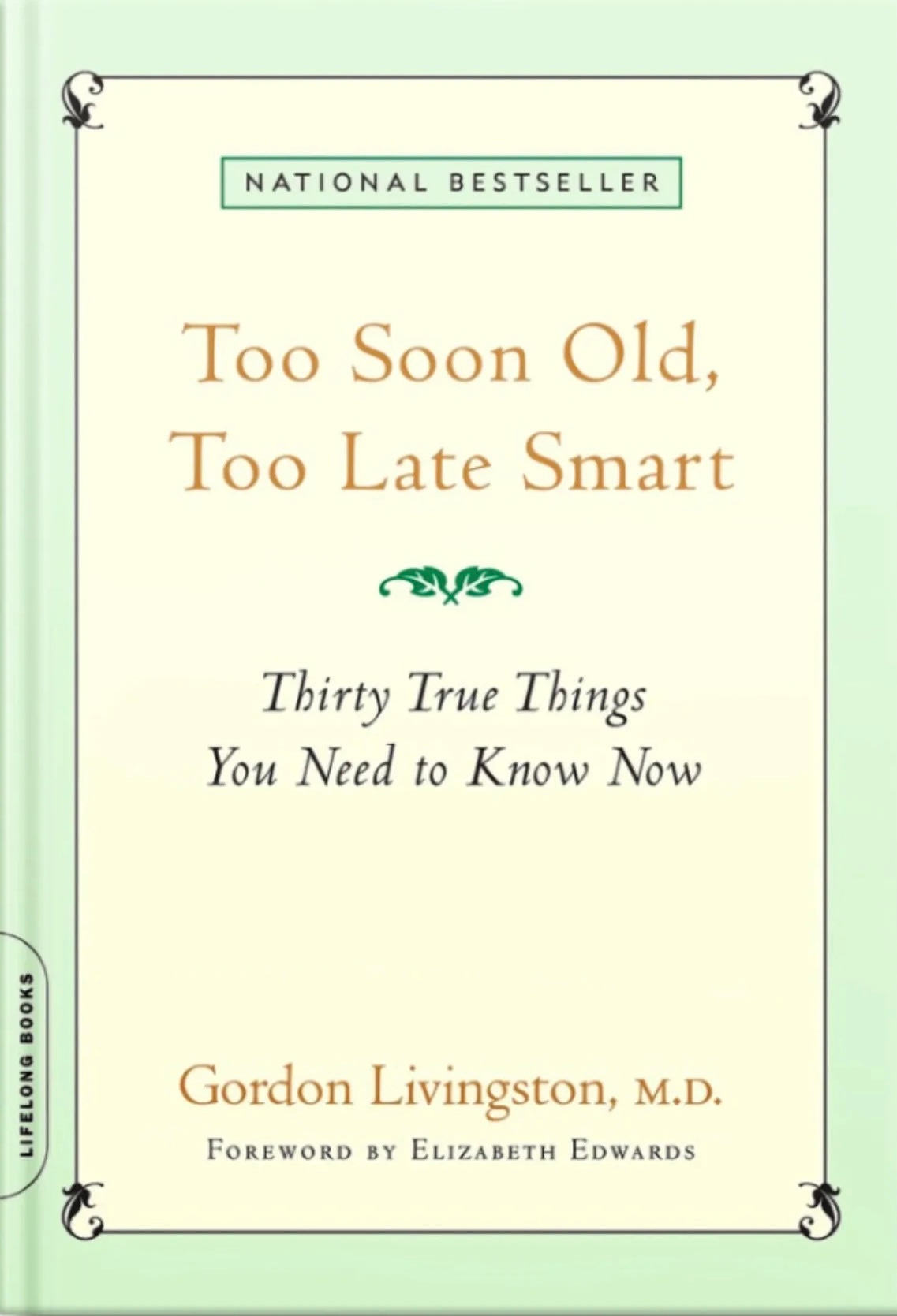
This is one of those books that quietly stays with you long after you’ve finished reading it.
Written by a psychiatrist, the book explores love, loss, resilience, relationships, disappointment, happiness, and the many lessons people learn throughout their lives.
As actors, we spend our careers portraying people experiencing these exact emotions.
What I appreciate most about this book is that it reminds us that every person carries unseen struggles, regrets, hopes, and contradictions. Those are often the very things that make characters interesting.
The more we understand people, the more truthful our performances become.
The Secret Life of the Mind
By Mariano Sigman
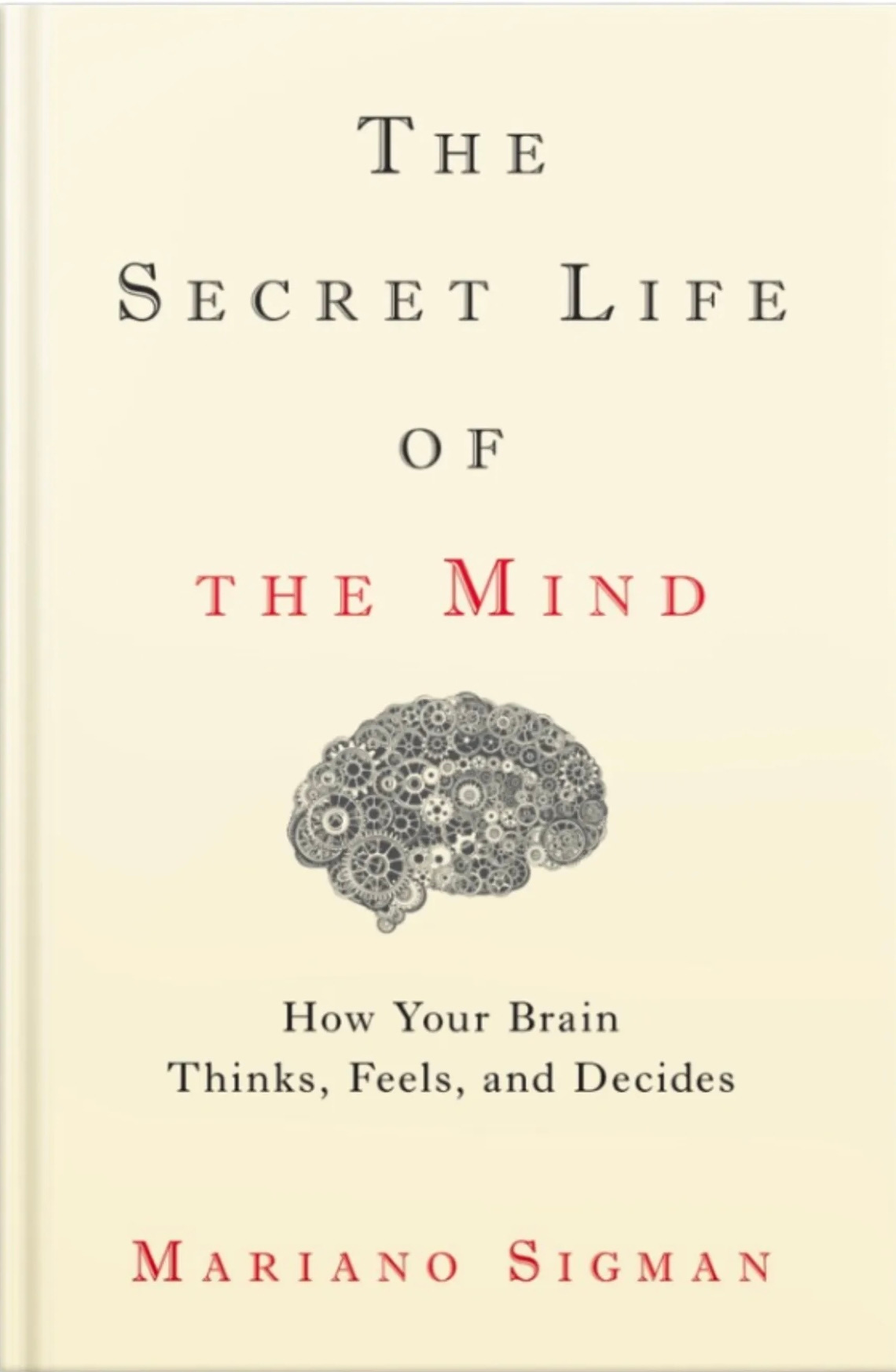
Actors spend countless hours studying behavior.
This book explores the machinery behind it.
Mariano Sigman dives into how the brain processes emotions, forms memories, makes decisions, and interprets the world around us.
What makes this fascinating from an acting perspective is that it helps explain why people behave the way they do.
Characters don’t simply react.
They interpret.
They remember.
They distort.
They rationalize.
They carry subconscious influences that shape their actions.
Understanding how the human mind works can provide actors with a deeper understanding of character psychology and emotional authenticity.
The Unfolding: A Journey of Involution
By J.S. Wolfe
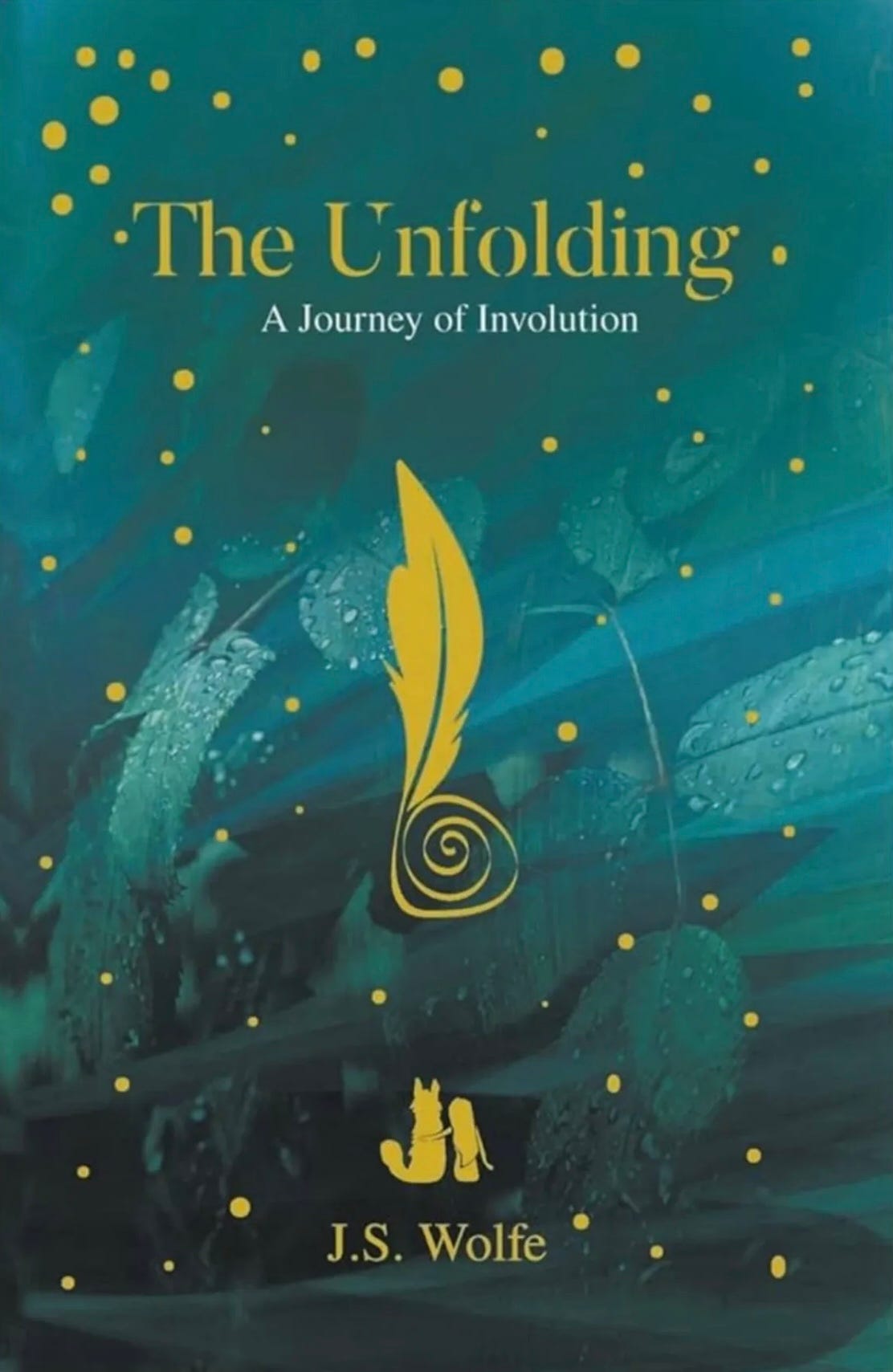
If there is one unconventional book I believe actors should read, it’s this one.
Written by filmmaker and character analysis expert J.S. Wolfe, this book explores human development, behavioral patterns, emotional transitions, and the psychological forces that shape our lives.
What I found particularly valuable is how it examines different ways people think and behave.
The book explores various personality structures and psychological patterns while helping readers understand why people make certain decisions and respond to situations in different ways.
For actors, this is gold.
Every role requires us to step into someone else’s worldview.
The more we understand human behavior, the more specific, layered, and believable our performances become.
As a bonus, it’s also a very accessible read despite tackling complex subjects.
Psychoanalysing Horror Cinema
By Mary Wild
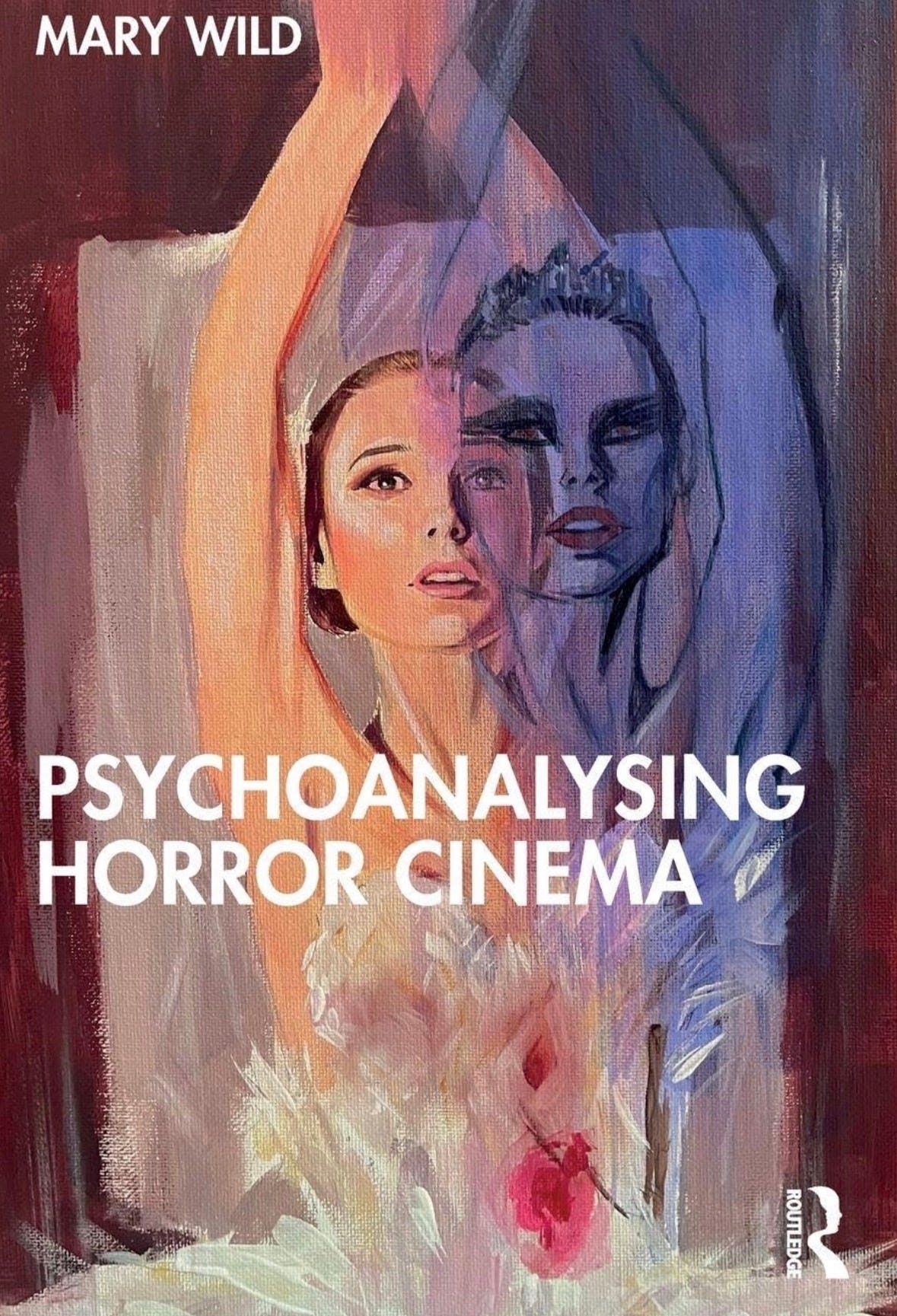
Mary Wild is a writer, lecturer, and podcaster based in London, England. Drawing on her background in psychoanalysis, she explores the intersection of psychology and cinema. She is also the creator of the Projections lecture series at the Freud Museum, where she applies psychoanalytic theory to film interpretation.
In Psychoanalysing Horror Cinema, Mary explores horror films through the lens of psychoanalysis, examining unconscious desires, fears, repression, symbolism, archetypes, and the hidden motivations that drive human behavior.
Even if horror isn’t your preferred genre, the psychological insights are fascinating.
One of the most important lessons actors can learn is that people rarely say exactly what they mean. Like human beings, characters often operate from desires, fears, wounds, and unconscious motivations.
As actors, our job is to look beyond what a character says and understand what may be driving their behavior. While a character may not always be aware of these forces themselves, the actor must investigate and understand them in order to create a truthful and layered performance.
What I appreciate about Mary’s work is that it encourages us to look beyond a character’s actions and explore the psychological forces that may be shaping their behavior. Through themes such as desire, fear, symbolism, identity, and the unconscious, she examines what may be happening beneath the surface of human experience.
As actors, we’re constantly searching for the deeper reasons behind a character’s choices. Why do they behave the way they do? What are they afraid of? What are they pursuing? What internal conflicts may be influencing their decisions?
These are precisely the kinds of questions that can help transform a performance from something merely functional into something layered, specific, and believable.
Mary and I have known each other since our teenage years and I’ve been incredibly proud to watch her build such an impressive body of work.
For actors interested in character psychology, subtext, symbolism, and the deeper forces that shape human behavior, this is a fascinating read.
If you enjoy the book, I would also encourage you to explore Mary’s work on her Substack and podcast as well. Her insights into psychology, psychoanalysis, and cinema are well worth diving into.
This Is Orson Welles
By Orson Welles and Peter Bogdanovich
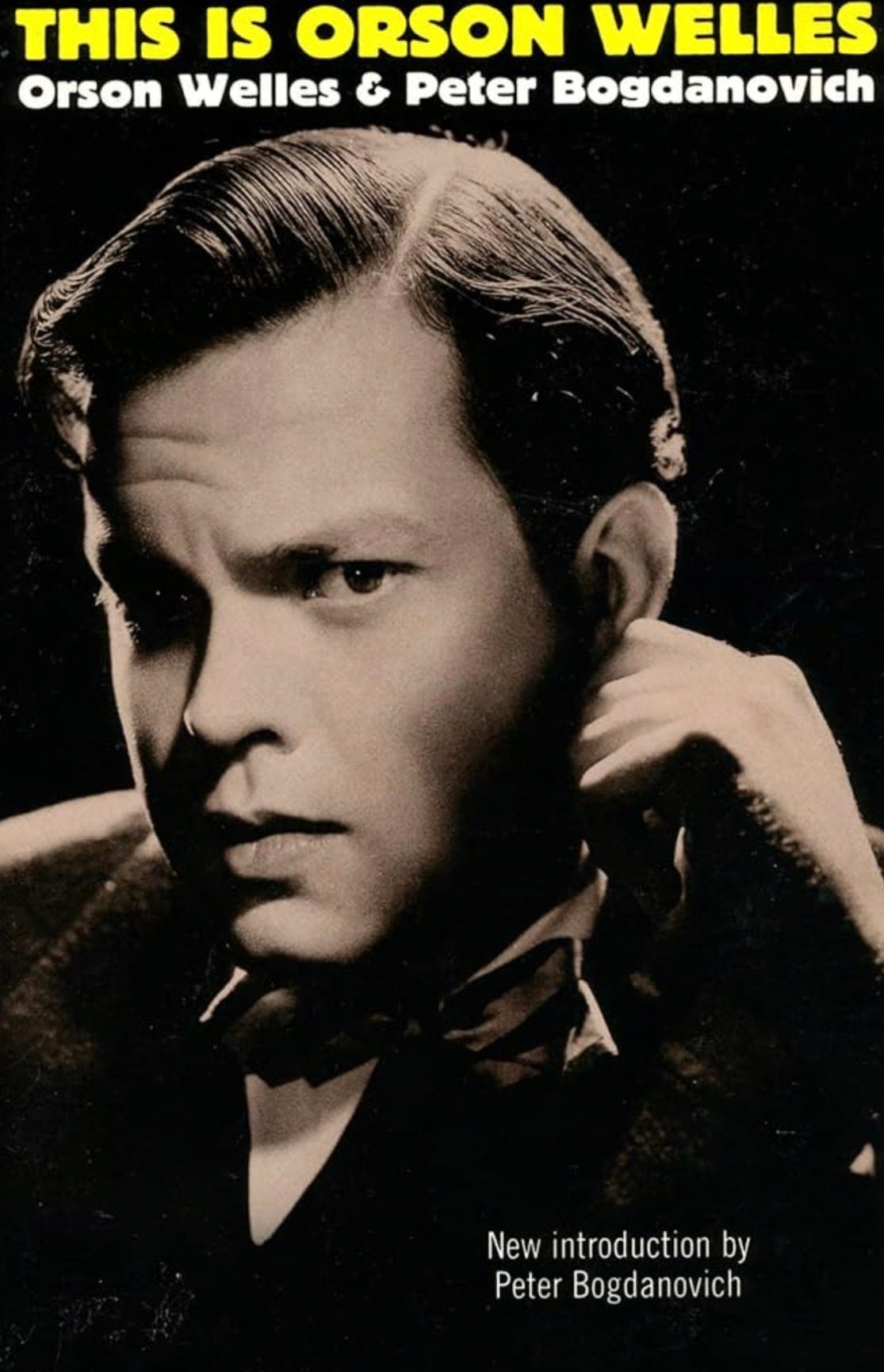
I’m currently reading this book and finding it absolutely fascinating.
One of the most underrated resources I recommend to actors is autobiographies and memoirs written by artists and industry professionals. Long before I formally studied acting, I found myself drawn to these kinds of books, and over the years they’ve become an important part of my education.
While acting technique books are essential, autobiographies offer something different. They provide a firsthand look at how careers are built, how artists think, how opportunities are created, and how people navigate the challenges of the industry.
Interestingly, when I mention autobiographies to actors and clients, many tell me they haven’t really considered reading them. Most naturally gravitate toward acting technique books, which are incredibly valuable. Yet some of the most important lessons I’ve learned about both the craft and the business have come from studying the experiences of those who came before us.
No two careers are identical, and we shouldn’t expect to follow someone else’s path exactly. However, these books often contain insights, observations, and lessons that can be adapted and applied to our own journeys.
Part memoir, part conversation, and part masterclass, it offers an inside look into the mind of one of cinema’s most influential artists.
What surprised me most isn’t just the discussion of acting, theater, filmmaking, and storytelling.
It’s how much the book reveals about the business side of entertainment.
One particular story that stood out involved an actress whose beauty, talent, and unique appearance made it difficult for industry decision-makers to know how to position her.
Not because she lacked ability.
Not because she wasn’t compelling.
Because they simply didn’t know where to place her.
I found that observation incredibly interesting because it’s a reminder that our industry doesn’t operate solely on talent.
Positioning matters.
Perception matters.
Understanding how the industry thinks can help actors better navigate their careers without automatically assuming every obstacle is a reflection of their ability.
The book is filled with observations like this, alongside stories from theater, film, directing, performance, and artistic philosophy.
It’s one of those rare books that teaches both craft and career.
Final Thoughts
Great actors don’t just study acting.
They study people.
The best actors I’ve met are students of psychology, human behavior, relationships, philosophy, neuroscience, history, art, and culture.
The more you understand humanity, the more material you have available when building a character.
Sometimes the book that transforms your work isn’t an acting book at all.
It’s the one that helps you better understand yourself and the people around you.
Actor Tools
Your career deserves more than guesswork.
Explore my curated collection of tools, and planners to help you organize, focus, and move forward—one smart step at a time.
Digital Planners & Tools
Designed for creatives. Built for clarity.
Actor Operating System (Dashboard Only)
Streamline your acting career workflow with this customizable Notion dashboard.
Actor Operating System (Dashboard + Training Course)
Get the full Actor Operating System dashboard plus a complete training course to walk you through setup, customization, and expert tips to maximize your career momentum.
Weekly Planner (Spiral + Digital)
A minimalist, no-fluff planner to map your goals, track auditions, and stay organized—even when life gets chaotic.
→ Get the Spiral Version
→ Download the Digital VersionAgenda
A powerful daily planner to help you stay focused, organized, and aligned with your goals—without the overwhelm.
→ Shop the AgendaMinimalist Day Planner (Digital)
Sleek, undated pages for creatives who thrive with structure—but hate being boxed in.
→ Shop the Day PlannerWellness Planner
Because self-care is career care. Prioritize your physical, mental, and emotional wellness with this actor-specific wellness journal.
→ Feel Better, Work SmarterNotebook
For everything from scene notes to mindset breakthroughs. Simple, stylish, and ready for whatever comes up.
→ Get the NotebookIdeas Book
Capture your best concepts, character arcs, content strategies, or wild ideas the moment they strike.
→ Shop the Ideas BookPros and Cons Book
Decision-making clarity when your next step feels uncertain. Perfect for roles, reps, or relocation.
→ Weigh Your Options
Coming Up Next on Cast Forward
Here’s what’s on the way:
Mindset & Productivity: How to Stay Focused & Achieve Career Breakthroughs
Career PR: How to Get Featured in Trade Publications & Build Hype
What to Do When You Haven’t Booked in Months
The Smart Way to Use Social Media to Boost Your Acting Career
Brand Positioning: How to Get Casting Directors to See You as a Leading Actor
🔜Coming Up Next For VIPs
Verified industry contact lists. We’ve already covered the California Theatre Companies Directory Next up:
Casting Directors
Photographers
Demo Reel Editors
Headshot Reproduction Labs
How SAG-AFTRA vouchers, ACTRA credits, and other union pathways really work — clearing up the confusion once and for all.
Industry Resources and Casting Platforms Every Actor Should Know
A verified list of Canadian casting directors with active casting notices, newsletters, and/or submission forms